 Sustainable Socks & Garment
- Home
-
Products
Baby Socks/Tights
Casual Socks
Home & Outdoor
- About Us
- Certifications
- Contact Us
Sustainable Clothing Manufacturing
FOCS is a sustainable clothing manufacturer in Shanghai that also works as an ethical garment supplier for European brands: GOTS organic cotton, GRS recycled yarns (including our recycled fishing net program), RWS wool and organic linen, produced in a 28% solar-powered facility under ISO 14001 environmental management and BSCI social audit. MOQ is 500 pcs per style per colour, sampling runs 7–10 days and bulk production 45–60 days, with transaction certificates, scope certificates and test reports issued for each EU or UK shipment.
Shanghai Fashionorganic (FOCS) is a sustainable clothing manufacturer in China since 2005: certified organic and recycled knits — socks, underwear, tights, hats and baby items — under GOTS, RWS, GRS, Higg Index, BSCI, BCI, ISO 14001 and FSC systems. MOQ from 500 pieces per style.
Every brand now says “sustainable.” The buyers we serve — Northern European labels, US B-Corps, certified-organic retailers — stopped believing adjectives years ago. What they audit is data: which certifications are current, what percentage of energy is renewable, whether waste streams are documented. FOCS runs 8 active certifications and can hand you the underlying numbers — including our solar share and Higg Index results — to drop directly into your ESG or CSR report.
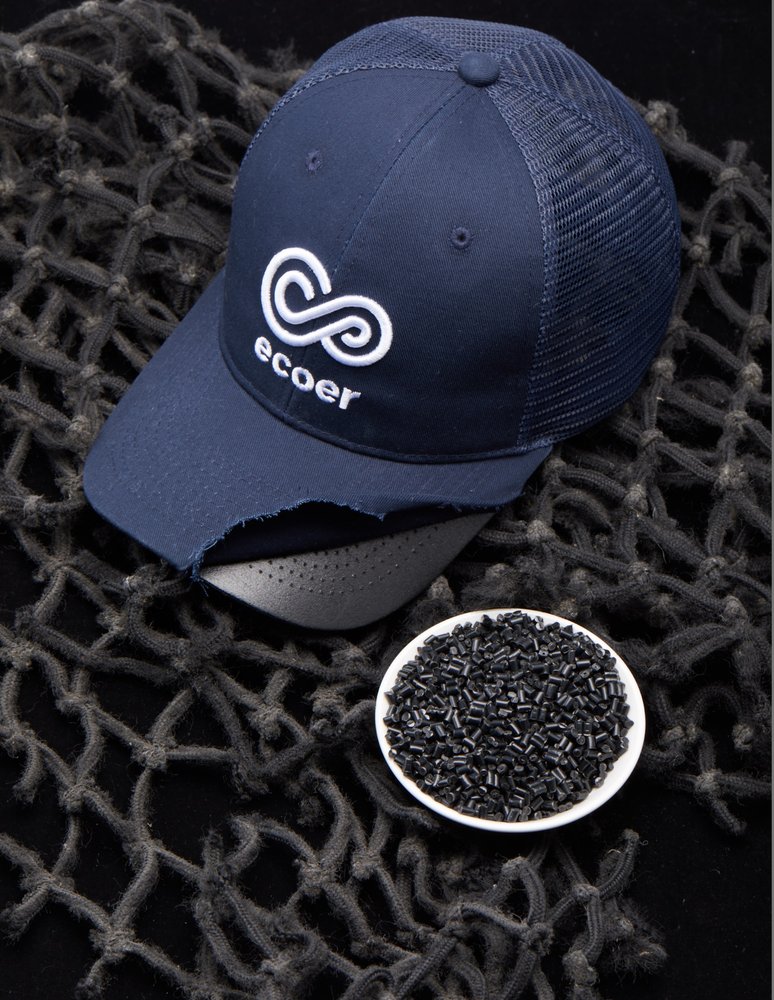
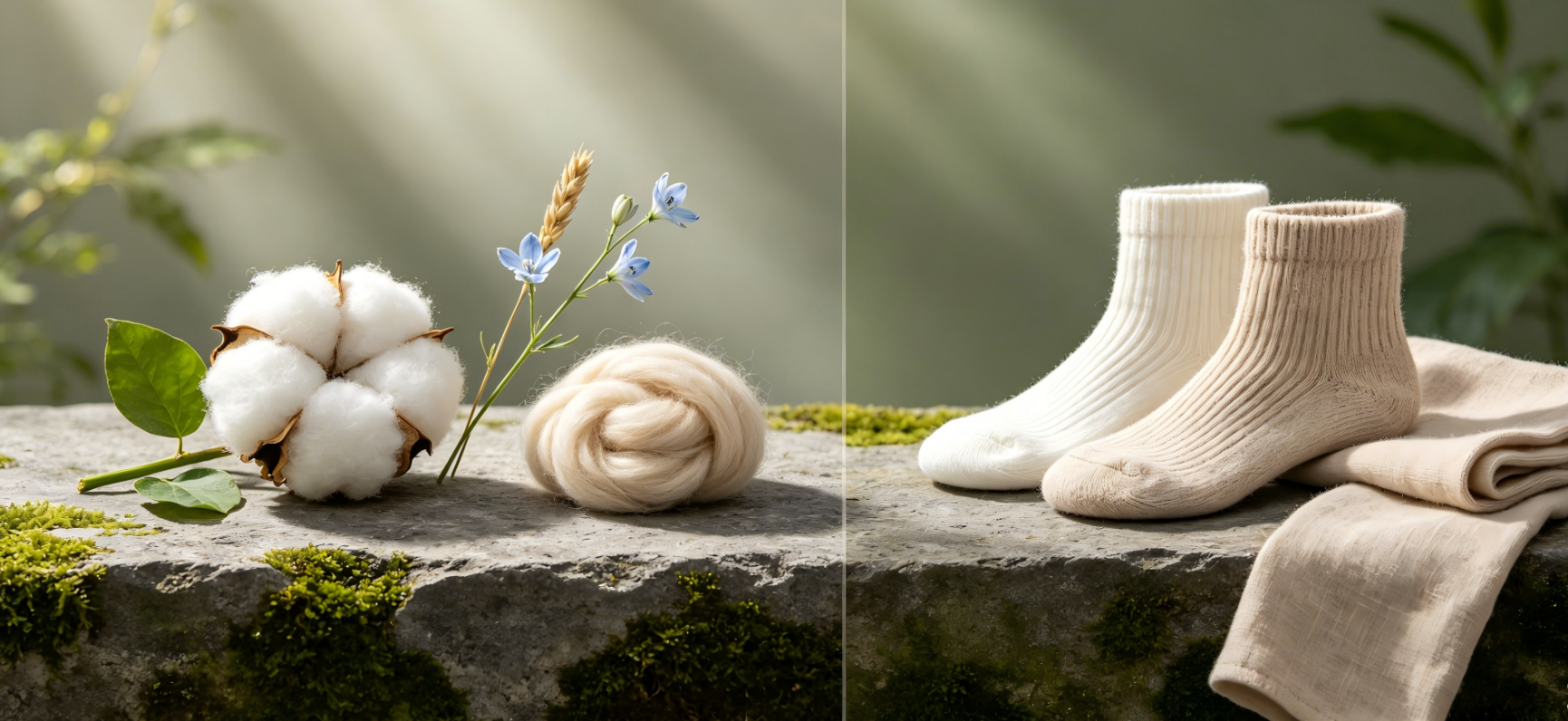
Our material range covers the three pillars of sustainable apparel: organic (GOTS cotton and linen), recycled (GRS polyester and nylon — including our signature regenerated fishing net fabrics turned into swimwear, caps and accessories), and responsibly-sourced animal fibre (RWS wool). A single program can mix all three, letting you hit both price points and sustainability tiers in one collection.
We are realistic about where manufacturing sustainability stands: shipping still creates emissions, dyeing still uses water. What we offer is a documented, continuously improving baseline — audited by third parties, not self-declared — plus a partner who will tell you honestly which claims your marketing team can make and which will get flagged in the EU under green claims directives.
8 active certifications with annual third-party audits — numbers you can publish.
GRS regenerated nylon from fishing nets — swimwear, caps and accessories almost no competitor offers.
Rooftop solar documented in facility data — real Scope 3 ammunition for EU brands.
In Germany, the Netherlands, Scandinavia and the UK, the ethical part of a sourcing decision is almost never a design question — it is a document question. A buyer approves a mill or a factory only when the paper chain closes: a valid scope certificate covering the product category, a transaction certificate for the actual shipment, a social audit that names the same legal entity as the invoice, and fibre composition that matches what will be printed on the care label. If any one of those is missing, the order stalls at the retailer's compliance desk rather than at your desk.
FOCS has operated this way since 2005, from a 600-machine knitting facility in Baoshan, Shanghai, working to 84N–240N gauge across socks, underwear, tights, beanies and baby knitwear. That is what "ethical garment supplier" means in practice here: not an adjective on a homepage, but a fixed set of documents issued per order.
| Document | Issued by | Available at |
|---|---|---|
| GOTS scope certificate (CU 1005901) | Control Union | Quotation stage |
| GOTS transaction certificate (TC) | Control Union | Per shipment |
| GRS transaction certificate, with recycled content % | Control Union | Per shipment |
| RWS certificate and wool TC | Control Union | Quotation / per shipment |
| BSCI social audit report | Accredited third-party auditor | Quotation stage |
| Higg FEM facility module | Higg / SAC | Quotation stage |
| REACH / AZO test report | Third-party laboratory | Per style, on request |
Buyers usually want a named reference before a first call, and "we work with brands in Europe" is not a reference. The labels below have sourced knitwear from FOCS. Category, volume and timing stay commercial-in-confidence, but we can confirm category-level references, and certifications tied to those programmes, under NDA.
Two limits worth stating plainly, because they are the ones that sink a compliance file. A scope certificate proves the factory is certified to produce; it is not proof that a specific shipment contains certified fibre — that is what the transaction certificate does. And a Higg FEM or ISO 14001 certificate assesses the facility, not the product; it supports an environmental management claim, not a "this garment is sustainable" claim. Buyers who understand the distinction tend to stay clients for years, because their own retailers stop asking questions.
Commercially, the same programme runs on standard terms: MOQ 500 pcs per style per colour, sampling 7–10 days including lab dips and label approval, bulk production 45–60 days, FOB Shanghai, CIF or DDP. Packaging is FSC-certified where cartons are printed, plastic-free options are available, and hangtag or polybag changes are handled inside the sampling window rather than after bulk starts. For the EU market specifically, we supply composition, care, origin and certificate references in a structured form so they can feed an ESPR digital product passport when your system is ready for it. Full certificate detail sits on the certifications page, and the cost side of certification is broken down in this audit cost guide.
Verifiable certifications (GOTS, GRS, RWS, ISO 14001), renewable energy share, third-party social audits (BSCI), and transparent documentation. FOCS maintains all of these and shares the underlying data with brand clients.
Yes — GRS certified recycled polyester and nylon, including our unique regenerated fishing net fabrics used for swimwear, caps and accessories. Recycled cotton blends are also available.
Yes. We provide transaction certificates, scope certificates, test reports and facility data (energy mix, audits) that brands can use in ESG reports, retailer submissions and customs documentation.
500 pcs per style per color — deliberately accessible for emerging sustainable brands that cannot commit to mass-production volumes.
We publish Higg Index scores per category and can provide product-specific carbon footprint data for ESG reporting on request.
Yes. We regularly onboard startups with 4–6 style launches, guiding them through fabric selection, certification options and label/packaging choices that fit a tight budget.
Four documents usually decide it: a scope certificate that covers the product category, a transaction certificate for the specific shipment, a social audit report naming the same legal entity as the invoice, and fibre composition that matches the care label. We issue all four; the certification detail page lists the issuing bodies.
Yes. FOB Shanghai is standard, CIF and DDP are both available, with production 45–60 days after sample and lab dip approval. EU and UK shipments are accompanied by transaction certificates and test reports for the styles shipped.